
In the world of home watch services, one might wonder why pricing varies so significantly depending on geography. To understand the difference, you have to look at the math that makes the business work. Here is a breakdown of why providing home watch services in Minnesota carries a higher price tag than in sunny Florida.
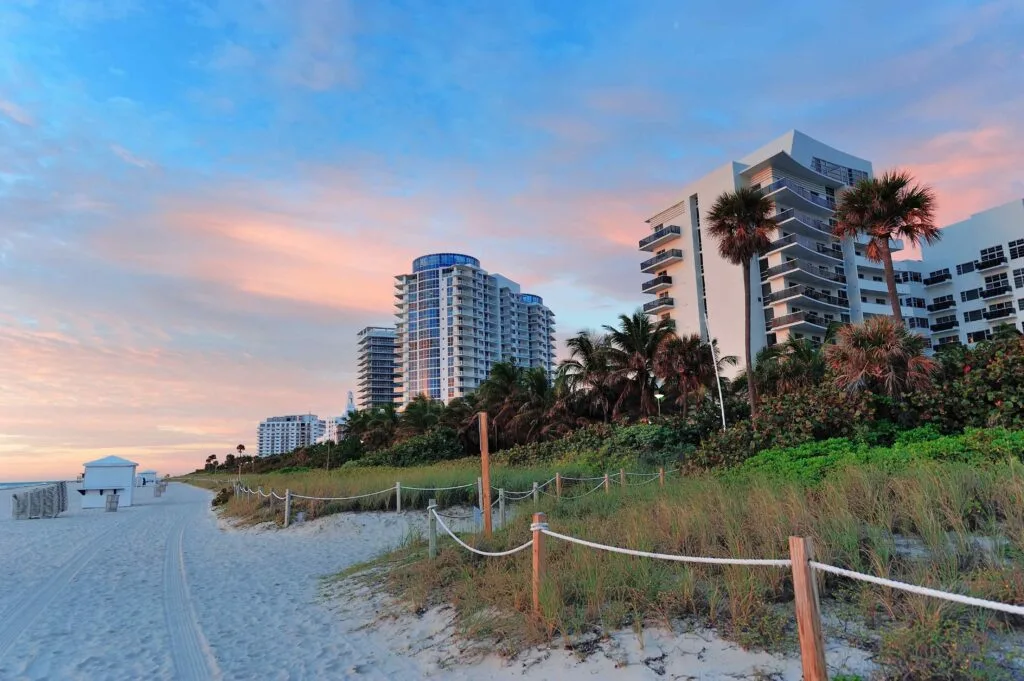
1. Vertical Density vs. Twin Cities Sprawl In Florida, home watch technicians often service high-density coastal corridors and high-rise condo complexes. A technician in Naples or Tampa can park once, walk down a single condo hallway, and service several clients in an hour without ever turning an ignition key.
In Minnesota, our client base consists of scattered primary residences across a sprawling metropolitan area. Even within a single suburb like Minnetonka or Plymouth, driving from one house to another takes real time. While a Florida tech maximizes billable time per hour in one hallway, a Minnesota tech spends a large portion of their day in transit, making one client per hour a realistic maximum.
2. Winter Friction and Physical Labor The Florida climate allows for quick, predictable house-to-house movement year-round. In Minnesota, winter adds massive operational friction before a technician even steps inside the home:
- Navigating unplowed driveways and icy walkways.
- Mucking through deep snow banks in heavy winter gear.
- Defrosting frozen lockboxes, padlocks, and door handles.
- De-icing boots and wiping down gear to avoid tracking slush inside.
These environmental delays add up fast, consuming valuable minutes that simply don’t exist in a 75-degree Florida breeze.
3. Structural Complexity and Checklists Florida home watch checks focus heavily on humidity management, mold prevention, and air conditioning oversight in compact, often single-level spaces or condos.
Minnesota homes are physically larger and far more complex. A typical home in areas like St. Paul, Eden Prairie, or Prior Lake spans two or three stories, includes a full basement, a complex multi-zone heating system, sumps, back-up generators, and sprawling exterior grounds. Inspecting a multi-story home for freeze threats, ice dams, and heating failures takes significantly more time than walking a 1,200-square-foot condo.
Conclusion The math driving home watch economics comes down to density and time. A Florida technician walking a condo hallway operates on high volume and low transit, while a Minnesota provider navigates winter weather, long drive times, and large, complex properties.
While the cost in the Twin Cities reflects these operational realities, it remains a small investment compared to the asset it protects. Safeguard your home this winter—reach out to our team today for a personalized quote and year-round peace of mind!
Protect Your Twin Cities Property
While geography and climate make home watch services in Minnesota more labor-intensive, the cost is minor compared to the major asset it protects. A single caught furnace failure or plumbing leak pays for years of home watch coverage.
If you own a property in St. Paul, Minneapolis, Minnetonka, Wayzata, Plymouth, Eden Prairie, Prior Lake, Eagan, or the surrounding Twin Cities metro area, our team provides the thorough, local expertise your home demands. Fill out our Contact us form, or call tel:17632284996 today for a custom home watch quote.